Gummy Bear Font: A Playful Handwritten Typeface for Creative Designers
There I was, staring at a blank brand board for a new boutique selling handmade skincare products. The client wanted something warm, inviting, and just a little bit whimsical — nothing too serious or corporate. That’s when I opened up the Gummy Bear font. As a Script Handwritten typeface, it immediately brought that sweet, cute, and incredibly playful feel to the table. It wasn’t just a font; it felt like an experience.
Gummy Bear in Logo Design for a Handmade Shop
I’ve worked with plenty of Fonts over the years, but Gummy Bear stands out as one of the most charming display fonts I’ve used recently. When I first tested it on a logo draft for the skincare boutique, the all caps format gave it a bold yet friendly presence. It paired well with minimalist line illustrations and pastel color palettes, creating a look that screamed “handmade with love.” The rounded edges and soft curves added a sense of approachability that more rigid typefaces couldn’t match.
What impressed me most was how it held its shape even in tight spacing. For a small business looking to make a big visual impact, this is essential. I found myself tweaking the kerning slightly to enhance legibility, especially in longer phrases, but overall, Gummy Bear proved itself reliable for logo design without compromising its signature charm.
Gummy Bear on Brand Boards and Packaging Mockups
Next stop: the brand board. I needed to create a cohesive identity using Gummy Bear as the primary script handwritten typeface. Its personality shone through in every element. On product labels, the all caps structure made it easy to align with other typographic elements while maintaining a unique voice. The packaging mockup came together effortlessly — think glass jars with natural textures and Gummy Bear labeling that felt like a personal note from the creator themselves.
It also performed surprisingly well on a printed business card. Though all caps can sometimes feel overwhelming in small sizes, Gummy Bear retained its clarity and character when scaled down. I did avoid using it for long descriptions on the back of the card, but for the shop name and tagline, it was perfect. It helped reinforce the brand’s personality as creative and personal.
Gummy Bear in Web Design and Social Media Layouts
When moving into web design, I placed Gummy Bear in the homepage hero section. It didn’t scream, but it definitely smiled. The contrast between the playful Script Handwritten style and a clean sans serif body font created a dynamic visual hierarchy that guided users smoothly through the site. I recommend sticking to short headers here — maybe a tagline or a call-to-action — since the all caps nature doesn’t suit lengthy text.
On Instagram posts, I saw how Gummy Bear could add character to social media graphics. Whether it was part of a post title or a subtle accent in a story layout, it brought energy and warmth. Just be careful not to overdo it. Use it sparingly for key phrases to maintain professionalism while still feeling authentic and creative.
Font Pairing Tips with Gummy Bear
One of the things I always check when working with a new Font is how it pairs with others. Gummy Bear works best with more structured typefaces. For editorial design or blog headers, I’d suggest pairing it with a modern sans serif like Montserrat or a crisp serif such as Lora. This contrast helps balance the whimsy of Gummy Bear with the readability of supporting fonts.
If you're going full handcrafted, try combining it with another Script Handwritten font for layered effects. But remember, Gummy Bear is already expressive enough to shine alone. Too many decorative elements can muddy your message, so less is often more when building a brand identity around it.
Realistic Use Cases and Limitations of Gummy Bear
Here’s the honest truth: Gummy Bear is not a universal solution. It thrives in short phrase applications like logos, headlines, and social captions, but it’s not ideal for long-form content or anything needing high readability in smaller sizes. Avoid using it in body text for websites, brochures, or flyers where clarity is paramount. Instead, treat it as a premium font for accents, titles, and visual highlights.
That said, if you're designing for a bakery, a children's book, a craft fair, or a casual café refresh, Gummy Bear will give your project that standout appeal. Its personality fits perfectly in branding for niche markets that value authenticity and fun. Think about it for greeting cards, product tags, or even podcast intros — any place where a sweet, cute, and highly memorable typeface can elevate the mood.
Practical Advice for Testing Gummy Bear Before Committing
Before jumping in with both feet, I always test Fonts in real-world scenarios. I created mockups for a variety of platforms — print, digital, and everything in between. Here are a few steps I took:
- Logo drafts: Checked scalability, legibility at various sizes, and how it interacts with imagery.
- Brand boards: Placed it next to colors, textures, and photos to see if it complements or competes.
- Packaging mockups: Ensured it looks good on curved surfaces and low-res prints.
- Web previews: Tested it across different screen sizes and browsers to confirm responsiveness.
- Social media templates: Used it in Instagram stories, Pinterest pins, and Facebook banners to evaluate visual performance.
This process confirmed what I already suspected: Gummy Bear is a standout choice for creative projects that need a touch of personality. Just don’t expect it to replace more functional Fonts in extended use cases.
Commercial Licensing and Practical Considerations
One thing I always emphasize to clients is checking commercial font licensing before finalizing their brand assets. If they plan to use Gummy Bear in client work, packaging design, merchandise, or digital storefronts, they’ll want to ensure the license covers those uses. Fortunately, most reputable sources will clarify this upfront. Always read the fine print — especially if you’re planning to use it in print-on-demand products or large-scale brand rollouts.
Including multilingual support is another factor to consider, especially if your design involves international audiences. While I haven’t needed it personally, the description mentions support for all c, which suggests broad compatibility. Still, verify the specific characters and languages included before locking it into a project.
Gummy Bear as a Standout Creative Font for Niche Brands
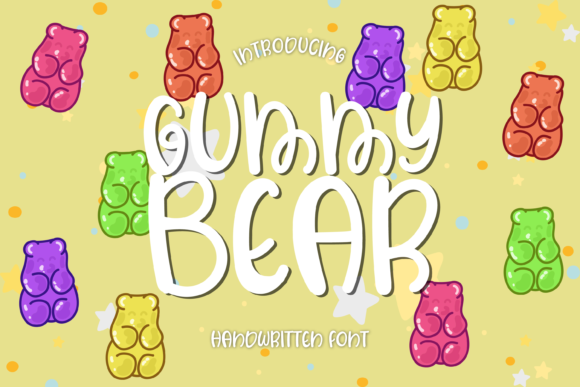
Let’s get back to the basics. Gummy Bear is a sweet, cute, and incredibly playful all caps handwritten font. It’s not trying to be everything to everyone — and that’s its strength. It’s designed to stand out, not blend in. And in today’s market, standing out is half the battle in making your brand memorable.
As someone who builds identities for small businesses and startups, I know the right Font can change the perception of an entire brand. Gummy Bear adds a sense of joy and creativity, which is exactly what niche brands like handmade shops, local cafés, and lifestyle bloggers need to connect with their audience. It feels genuine — like a handwritten note from a friend, not a cold corporate statement.
Its versatility extends beyond just logos and headers. I've used it in posters, flyer accents, and even as a supporting typeface in custom illustrations. Just keep in mind that because it’s an all caps font, you'll need to manage spacing and rhythm carefully to maintain readability and elegance.
Why You Should Try Gummy Bear Today
At the end of the day, Gummy Bear isn’t just another Script Handwritten Font. It’s a tool that brings emotion and individuality to your designs. Whether you're refreshing a brand’s visual language or launching a new product line, this typeface can help you stand out in a crowded market.
So go ahead — open your design software, drag in Gummy Bear, and let it inspire your next creative project. Test it in a few places, pair it thoughtfully, and watch how it transforms your work. Just remember to review the licensing terms before handing it off to a client or using it in production materials. Once you do, you might find yourself reaching for it again and again in the right spots.